
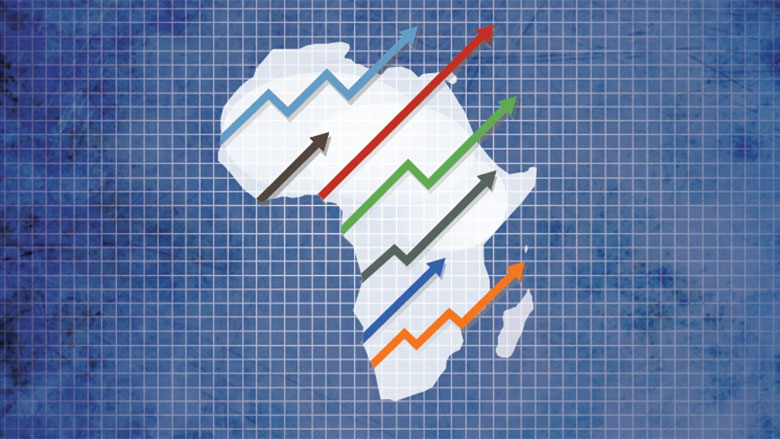
Africa’s economic narrative has evolved significantly over the past two decades. The continent has moved from being viewed primarily through the lens of constraints to being recognized for its potential across resources, demographics, and markets. However, the defining challenge now lies in translating this potential into sustained and measurable economic performance. The question is no longer whether Africa can grow, but whether it can transform.
Africa Advancement Forum observes that many African economies have recorded periods of growth without achieving structural transformation. Growth has often been driven by commodity exports, external demand, and short-term capital inflows. These drivers, while important, have not consistently resulted in industrialization, productivity gains, or large-scale employment creation. As a result, economic expansion has remained vulnerable to external shocks and global market fluctuations.
Transformation requires a deliberate shift in how economies produce and compete. Africa should move beyond exporting raw materials toward building value-added industries. Manufacturing, agro-processing, and modern services must become central to economic strategy. These sectors have the capacity to create jobs, strengthen domestic industries, and increase resilience against external volatility.
Africa Advancement Forum emphasizes that industrialization should not be treated as a long-term aspiration without clear execution pathways. Governments must identify priority sectors based on comparative advantage and invest in the conditions required for growth. Reliable energy supply, efficient transport systems, access to finance, and clear regulatory frameworks are essential to support industrial activity. Without these enabling factors, industrial policies will struggle to deliver meaningful outcomes.
Human capital remains a critical driver of transformation. Africa’s growing population presents a strategic opportunity to expand productivity and innovation. However, this opportunity depends on alignment between education systems and labour-market demands. Skills development, particularly in technical and vocational areas, must support the needs of emerging industries. A workforce equipped with relevant skills will enhance competitiveness and support economic diversification.
Entrepreneurship also plays a central role in economic transformation. Small and medium-sized enterprises contribute significantly to employment and innovation across the continent. Supporting entrepreneurship through access to finance, business development services, and market access will strengthen domestic economic ecosystems. Informal businesses must also be integrated into formal systems to improve productivity and revenue generation.
Africa Advancement Forum notes that policy implementation remains a persistent challenge. Many countries have developed strong policy frameworks, but outcomes often fall short due to weak coordination, limited institutional capacity, and inconsistent execution. Effective transformation requires governments to focus on delivery, accountability, and measurable results. Institutional strength will determine whether policies translate into tangible economic outcomes.
Regional integration provides an additional pathway for transformation. The African Continental Free Trade Area creates opportunities to expand markets, strengthen value chains, and improve competitiveness. Larger markets can support industrial growth by increasing demand for locally produced goods and services. However, integration must move beyond agreements and focus on practical implementation, including infrastructure development and regulatory alignment.
Technology is also reshaping Africa’s economic potential. Digital tools can improve productivity, reduce costs, and create new business models. Integrating technology into traditional sectors such as agriculture, manufacturing, and logistics will enhance efficiency and support value creation. Digital transformation should complement, rather than replace, broader economic strategies.
Africa’s transition from potential to performance will depend on coordinated action across sectors. Governments, private-sector actors, and development partners must align their priorities and resources to support transformation. Fragmented approaches will limit impact, while coordinated strategies can accelerate progress.
Africa Advancement Forum maintains that the continent has the capacity to achieve sustained economic transformation. The next phase of development will require disciplined execution, strategic investment, and a focus on productivity and value creation. Africa’s future will be defined not by its potential, but by its ability to deliver measurable and inclusive economic outcomes.
Conclusion
Africa’s economic transformation requires a shift from growth driven by external factors to development anchored in productivity, industrialization, and human capital. Achieving this shift will depend on the strength of institutions, the effectiveness of policy implementation, and the ability to align economic strategies with long-term development goals. Africa Advancement Forum emphasizes that transformation is not automatic. It requires deliberate action, sustained commitment, and coordinated effort across sectors. The continent has the foundation to succeed, but progress will depend on how effectively it converts opportunity into performance.
Disclaimer
This article reflects the analytical perspective of Africa Advancement Forum and is intended to support policy dialogue and informed discussion. It does not constitute legal, financial, or investment advice.