
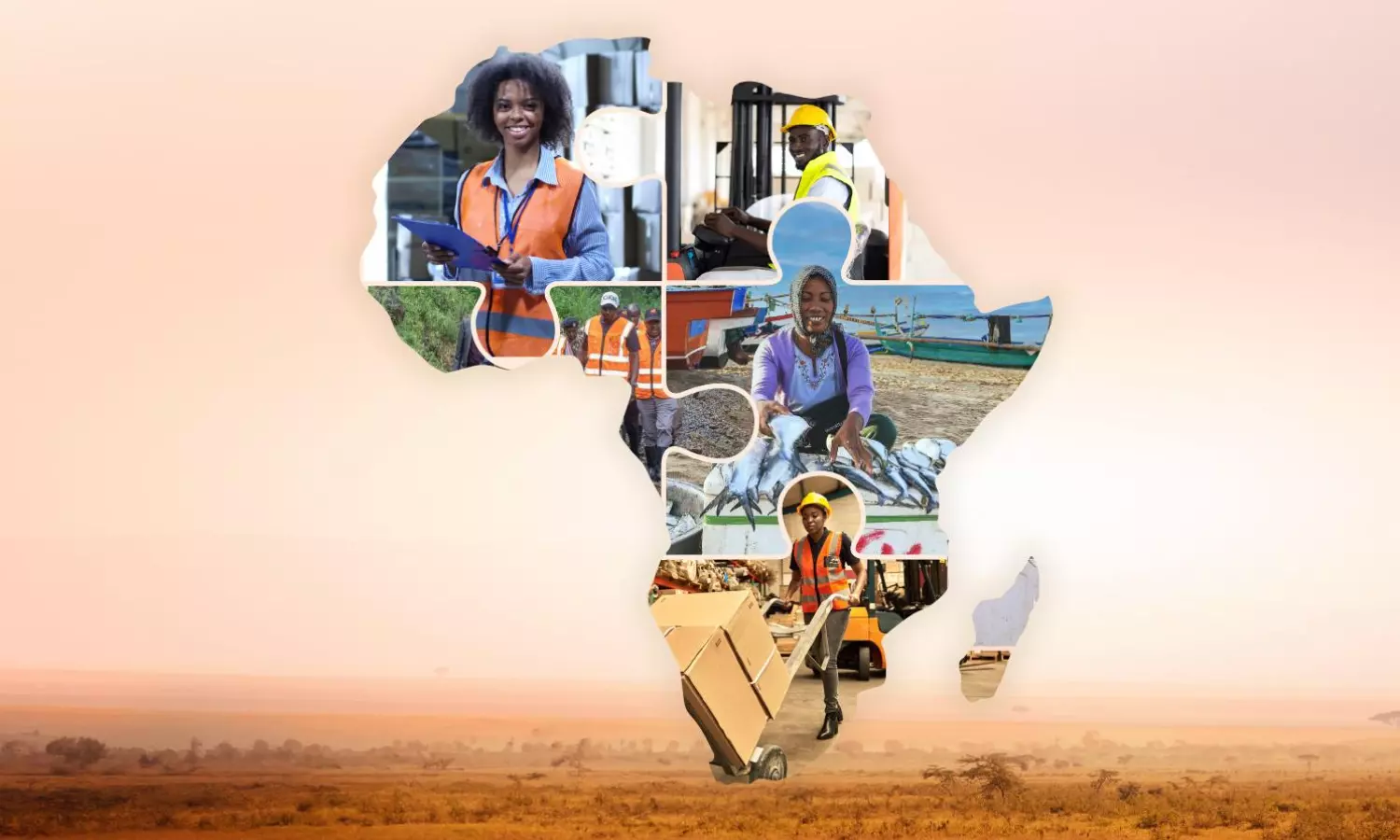
Africa’s economic narrative continues to evolve. For decades, discussions about the continent have focused on potential, natural resources, a growing population, and expanding markets. Today, the conversation must shift from potential to performance. Africa no longer needs to prove that opportunity exists; it must demonstrate how effectively it converts opportunity into measurable economic outcomes.
Africa Advancement Forum observes that the central challenge is not the absence of resources or ideas, but the gap between strategy and execution. Many African economies have adopted policy frameworks aimed at growth, diversification, and industrialization. However, implementation remains uneven, and outcomes often fall short of expectations. Closing this gap will define the next phase of Africa’s economic development.
Economic transformation should remain the priority. Economies that rely heavily on raw material exports are persistently vulnerable to external shocks and price volatility. Africa should move decisively toward value addition, manufacturing, and expansion of the service sector. Industrialization should not be viewed as an abstract objective but as a practical pathway to job creation, productivity growth, and economic resilience.
Human capital sits at the centre of this transformation. Africa’s young population represents a strategic advantage, but this advantage depends on the quality of education, skills development, and access to opportunity. Economic growth without employment inclusion will not produce sustainable outcomes. Governments and institutions must align education systems with market needs and support entrepreneurship at scale.
Regional integration offers a clear opportunity to accelerate progress. The African Continental Free Trade Area provides a framework for building larger markets, strengthening regional value chains, and increasing competitiveness. Implementation, however, remains the critical factor. Trade agreements must translate into actual movement of goods, services, and capital across borders.
Investment remains essential, but the conversation must evolve. Africa does not lack capital; it faces challenges in converting capital into sustained investment. Policy clarity, regulatory consistency, and institutional credibility will determine whether capital flows at the scale required. Africa must position itself not only as an investment destination but as a reliable and predictable economic partner.
Technology is redefining economic possibilities. Digital platforms, financial technology, and innovation ecosystems are expanding access and improving efficiency. Technology must move beyond isolated success stories and become integrated into broader economic systems, including agriculture, manufacturing, and public services.
Emerging sectors such as the creative economy, sports, and cultural industries are reshaping Africa’s global presence. These sectors generate economic value while also influencing perception and narrative. Africa must recognize their strategic importance and invest in their growth, structure, and global competitiveness.
Governance remains the foundation of progress. Strong institutions, transparent systems, and accountable leadership create the conditions necessary for sustainable development. Policy intentions alone do not drive growth; consistent implementation does.
Africa’s global position is also changing. The continent must move from being a participant in global systems to becoming a strategic actor. This requires coordinated policy, regional collaboration, and a clear understanding of global economic dynamics. Africa must define its role within global supply chains, investment flows, and geopolitical relationships. Africa Advancement Forum maintains that the next phase of Africa’s development will depend on disciplined execution, strategic alignment, and sustained collaboration. The continent has the capacity to become a major force in the global economy, but this outcome will depend on how effectively it translates ambition into action.
Conclusion
Africa’s economic future will not be defined by its potential alone. It will be shaped by its ability to deliver results through effective policy, strong institutions, and coordinated effort. The shift from potential to performance requires clarity, commitment, and accountability across all levels of economic decision-making. Africa Advancement Forum supports a forward-looking approach that prioritizes practical solutions, measurable outcomes, and long-term impact. The continent’s trajectory remains promising, but its success will depend on the choices made today and the discipline with which they are executed.
Disclaimer
This thought leadership piece reflects the analytical perspective of Africa Advancement Forum and is intended to support informed discussion and policy dialogue. It does not constitute legal, financial, or investment advice.